Recognize Cataract Symptoms
By Cepat Sehat|16 April 2024|Penyakit

Cataracts are generally known as a visual impairment in the elderly. But is it true that cataracts can only occur in the elderly? It turns out that this is not true, because although the majority of sufferers are the elderly, cataracts can occur in young people and even babies. Cataracts are the main cause of blindness worldwide. Therefore, we need to know what cataracts are and how to treat them.
Cataract is a degenerative process in the form of clouding in the lens of the eye, causing a decrease in the ability to see clearly/blurred vision and even blindness. This cloudiness is caused by a biochemical reaction that causes coagulation of eye lens proteins.
Causes of Cataracts
The most common cause of cataracts is the natural (degenerative) aging process, but there are other factors that can increase the risk of cataracts, including:
- Genetic factors and family history of cataracts.
- Long-term exposure to excessive sunlight without eye protection.
- Smoking and excessive alcohol consumption.
- Long-term use of certain medications, such as corticosteroids.
- Trauma / injury to the eye or previous eye surgery.
- Systemic diseases, such as diabetes and others
Cataract Symptoms
Cataract symptoms vary, depending on the severity of the cataract experienced. Some common symptoms of cataracts are:
- Blurred or blurry vision such as being covered in fog/smoke, can occur in one eye or both;
- Double vision;
- Difficulty seeing in dim lighting or at night;
- Increased sensitivity or sensitivity to bright light;
- Changes in color perception, especially brownish or brassy discoloration;
- Difficulty in reading and needing brighter light when reading;
- Change glasses frequently.
Types of Cataracts
Cataracts are divided into several types, namely:
a. Senile cataract
It is the most common type of cataract in adults over the age of 60 and is a condition that develops naturally with age.
b. Posterior Subcapsular Cataract
Is a cataract that develops at the back of the lens of the eye. This condition often occurs in people with diabetes or who use steroids long term.
c. Cortical Cataract
Is a cataract that affects the outside of the lens of the eye. In cortical cataracts, gaps form in the lens, which then enlarge and cause blurred vision. Risk factors for cortical cataracts are excessive sun exposure, smoking, and genetic factors.
d. Traumatic Cataract
Is a cataract that occurs due to physical injury to the eye. Severe injuries such as a hard impact or injury to the eye can disrupt the structure and clarity of the eye lens. These cataracts can appear immediately after the injury or some time afterward.
e. Nuclear Cataract
It is a cataract that forms in the middle of the lens of the eye, around the nucleus which contains proteins and fibers. These cataracts are often related to the natural aging process.
f. Congenital Cataract
Is a cataract that occurs from birth or in the first few months of life. This condition can be caused by genetic factors or infections that occur during pregnancy, which affect the normal development of the eye lens in babies, resulting in vision problems from an early age.
Cataract Treatment and Prevention
Cataracts can only be treated by performing eye lens replacement surgery. However, an ophthalmologist will examine and determine whether the cataract can be operated on to replace the eye lens.
Although generally the cause of cataracts is the unavoidable aging process, there are several things you can do to minimize risk factors, including:
Implement healthy and nutritious food patterns
Enough rest
Reduce looking at gadgets and watching television at close range
When leaving the house during the day, wear sunglasses or a wide-brimmed hat to avoid exposure to sunlight
Use a reading light if you want to read in a room with poor lighting or at night
Avoid smoking and drinking alcoholic beverages
Avoid taking long-term corticosteroid drugs without doctor's advice
For diabetes sufferers, take medication regularly and keep blood sugar levels under control.
If you experience symptoms like those above, don't hesitate to consult a doctor so you can get the right treatment.
Related Articles
Popular Blogs

Get To Know Infertility and Its Causes
20 Mei 2024
Read More

Let's Prevent Stunting
18 Maret 2024
Read More

Chronic Otitis Media Suppurativa
19 Mei 2021
Read More
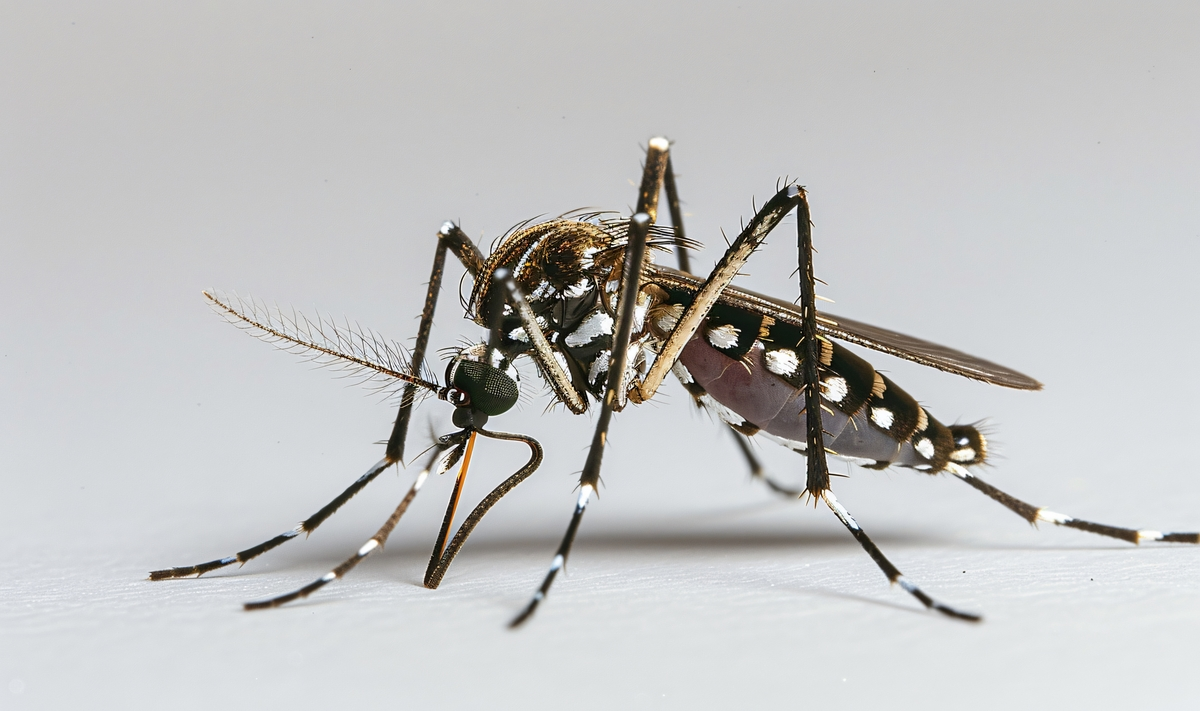
Beware Of Dengue Fever
18 Mei 2024
Read More

Eczema Called Dermatitis
14 April 2024
Read More
Our Doctors

Clinic Cepat Sehat
dr. Cahyadi Surya, MPH
General Practitioner

Clinic Cepat Sehat
dr. Irvan Rizki Fitri, MKK
General Practitioner

Clinic Cepat Sehat
dr. Yahya Albar
General Practitioner

Clinic Cepat Sehat
dr. Ni Wayan Mega Rajuni
General Practitioner

Clinic Cepat Sehat
dr. Adrian Prasetio
Psychiatrist

Clinic Cepat Sehat
dr Lorenzo Alexander Pradhana
General Practitioner

Clinic Cepat Sehat
dr. Ida Bagus Ngurah Dwipayana Manuaba
Psychiatrist

Clinic Cepat Sehat
dr. Anak Agung Gede Wahyu Prabawa
General Practitioner

Clinic Cepat Sehat
dr. I Gusti Ngurah Rico Santosa
General Practitioner

Consult With Our Doctor
Find Doctor